

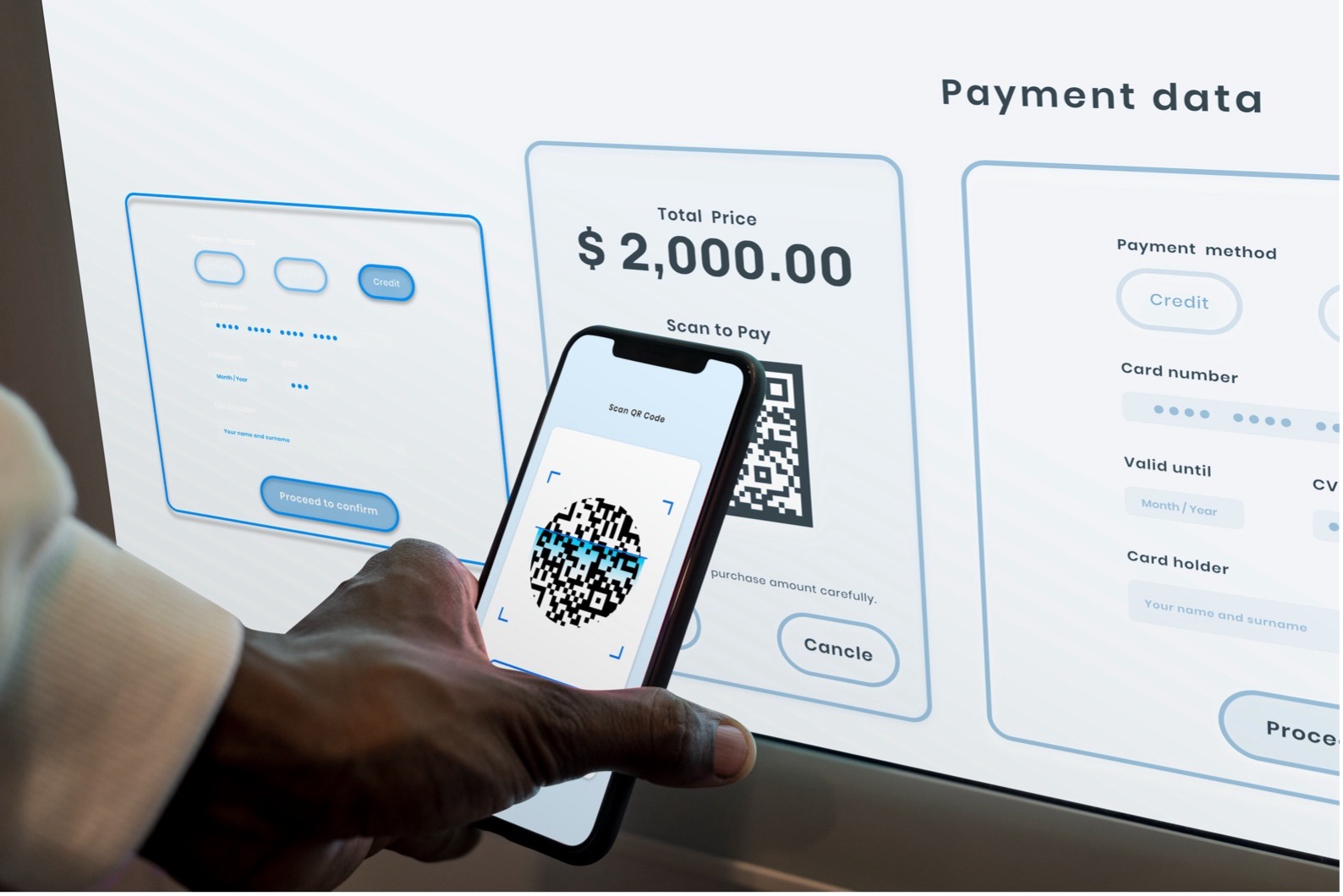
The payment gateway is no longer just a checkout button. Over the last decade, payment solutions in Hong Kong have evolved into sophisticated merchant ecosystems that extend far beyond transaction processing. Yet even the most advanced payment infrastructure leaves one critical question unanswered for merchants: “How do I actually get customers to use this, and keep them coming back?”
As a digital marketing agency operating in Hong Kong, we at XGATE frequently observe the recurring struggles that payment partners and their merchant clients grapple with. Drawing on insights from across the industry ecosystem—including Payment Asia, Airwallex, Adyen, Checkout.com, Stripe, Oceanpayment, AsiaPay, and others—here are the most critical pain points we see, and the marketing-led strategies that can help solve them.
Hong Kong’s Payment Landscape: A Market in Transformation
Before examining the challenges, it is worth understanding the scale and direction of Hong Kong’s payments market. The total transaction value of Hong Kong’s digital payment market is projected to reach US$41.85 billion in 2025**, with an expected compound annual growth rate of 8.91% to **US$64.12 billion by 2030 (Acqra, 2025). Digital wallets have become the dominant payment method, accounting for 41% of e-commerce transactions and 45% of point-of-sale transactionsin 2025 (Worldpay, 2025; Global Payments, 2026). According to the Census and Statistics Department, 72.8% of Hong Kong residents aged 15 and above used mobile payments in the past 12 months, up from 65.6% in 2024 (Census and Statistics Department, 2025). A recent survey found that 96% of Hong Kong SMEs have now adopted digital payment methods (Acqra, 2025).
The competitive landscape is equally dynamic. In addition to established players like Payment Asia, which has been rooted in Hong Kong since 1999 (Payment Asia, 2025b), the market has seen significant expansion from global and regional players. Airwallex, founded in Melbourne and now serving over 150,000 businesses worldwide, has established Hong Kong as a strategic hub, holding 60+ licenses and supporting payments in 180+ currencies across 180+ countries(Airwallex, 2025b; Hong Kong Fintech, 2025). Adyen counts global clients including Meta, SHEIN, Uber, and Cathay Pacific among its customers (Adyen, 2025). Checkout.com became the first global payment service provider to offer Octopus as an online payment option (Checkout.com,2024). Oceanpayment, headquartered in Hong Kong, covers over 200 countries and regions(Oceanpayment, 2025). AsiaPay, founded in 2000, provides payment solutions across the Asia-Pacific region (AsiaPay, 2025).
This diversity is both a strength and a challenge: merchants have more choice than ever, but they also face greater complexity in selecting, integrating, and optimizing their payment infrastructure.
Challenge 1: The Merchant Acquisition Bottleneck
Many payment providers invest heavily in onboarding merchants, but those merchants often struggle to attract their own end-customers. Opening a store — physical or digital — is the easy part. The daunting reality is: “How do I drive traffic?” Without a steady stream of potential buyers, the payment gateway sits idle.
Hong Kong’s e-commerce market continues to expand rapidly. According to the Census and Statistics Department, online retail sales reached HK$35.7 billion in 2025, representing a 12.8% increase from 2024 (Census and Statistics Department, 2026a). Online sales accounted for 9.4%of total retail sales value, up from 8.7% in the previous year (Census and Statistics Department, 2026a). Despite this growth, Hong Kong’s e-commerce penetration remains relatively low, suggesting significant untapped potential (Ta Kung Pao, 2025).
Payment providers themselves are increasingly recognizing the need to go beyond transaction processing. Payment Asia, for example, has expanded into digital marketing, e-commerce consulting, and AI to help merchants acquire customers (Payment Asia, 2025b). Its “More Than Payment” philosophy now spans payment, digital marketing, logistics, and wealth management(Payment Asia, 2025a). This integrated approach addresses the fundamental merchant challenge: acquiring customers is as important as accepting their payments.
The Marketing Solution: Performance-driven lead generation. Digital marketing agencies bridge this gap by running targeted campaigns — search, social, programmatic — that drive qualified traffic directly to the merchant’s doorstep. When the payment provider and the marketing partner work in tandem, the merchant does not just have a way to accept money; they have a way to earn it.
“In our experience working with merchants across categories, the ones that succeed treat customer acquisition as a continuous process, not a one-time launch event. Payment data tells you who bought; marketing tells you how to find more people like them.”
Challenge 2: Checkout Friction and Conversion Optimization
We have all been there: you find the perfect product, click checkout, and something goes wrong. Research shows that merchants report payment conversion problems due to poor UX, declined transactions, or clunky interfaces. The payment gateway is now a critical component of the user interface; if it is not seamless, the sale evaporates.
The data is stark. According to the Adyen Retail Report 2025, 60% of Hong Kong consumers will abandon their purchase immediately if the payment process takes too long (Adyen, 2025). Even more telling, 58% will walk away if their preferred payment method is not available, placing Hong Kong among the highest in the Asia-Pacific region for payment expectations (Adyen, 2025). Local payment methods generate 26% higher average transaction value than other payment options (Adyen, 2025).
A survey conducted by Stripe and Aspire found that 91% of Hong Kong merchants lose between 1% and 10% of total revenue monthly due to payment failures, hidden fees, chargeback disputes, settlement delays, and the complexity of integrating multiple payment service providers (Stripe & Aspire, 2025). This is not a minor inconvenience; it is a direct revenue killer.
The Marketing Solution: Conversion Rate Optimization (CRO). By analyzing the full customer journey — from the landing page to the final “Pay Now” button — digital marketers can identify friction points. Simplifying forms, A/B testing checkout flows, and ensuring mobile responsiveness can dramatically reduce cart abandonment. It is not just about the gateway working; it is about the entire flow feeling invisible.
“The best checkout is the one customers don’t notice. When payment friction disappears, so does the barrier between interest and purchase.”
Challenge 3: Data Fragmentation vs. Actionable Insights
Payment systems are data goldmines. They hold the keys to customer spending habits, peak buying times, and average order values. However, merchants are often overwhelmed by raw data. As Payment Asia has noted, the real value lies in transforming “massive raw transaction data into intuitive analytical reports” (Payment Asia, 2025a). Yet even with reports, merchants frequently ask: “What do I do with this now?”
The fragmentation challenge is significant. A 2025 survey found that 95% of Hong Kong SMEs use more than one payment service provider, creating operational challenges such as complex reconciliation (41%), high transaction fees (26%), and slow settlement times (25%) (Acqra, 2025). Payment data sits in one system, CRM in another, marketing analytics in a third. Without integration, the full picture of customer behaviour remains hidden.
Some providers are addressing this directly. Payment Asia’s backend system, for example, is not merely a transaction record container but a “powerful business insight engine” that helps merchants identify patterns such as weekly sales fluctuations and tailor marketing activities accordingly (Payment Asia, 2025a). Airwallex offers a unified global financial platform with competitive real-time FX rates and multi-currency yield products (Airwallex, 2025b). Adyen provides comprehensive data insight reports through its unified commerce platform, allowing merchants to manage their business and gain visibility across all online and offline transactions (Adyen, 2025).
The Marketing Solution: Data-Driven Marketing Intelligence. An agency can take transaction reports and turn them into customer segmentation models. Who are your VIPs? Who are the bargain hunters? By combining payment data with marketing analytics, we can build highly personalized campaigns that speak directly to different consumer behaviour patterns, rather than blasting generic ads to everyone.
“Payment data tells you what happened. Marketing intelligence tells you why — and what to do about it.”
Challenge 4: The Engagement Gap (Customer Retention)
Acquiring a new customer costs five times more than retaining an existing one. Yet, after a transaction is completed, many merchants go radio silent until the next purchase. The relationship becomes purely transactional, leaving the merchant vulnerable to competitors.
Hong Kong consumers expect more. According to the Adyen Retail Report 2025, 48% of Hong Kong consumers expect a seamless and consistent shopping experience across social media, brand websites, and mobile apps (Adyen, 2025). Another 38% of consumers consider cross-platform consistency a key factor in their purchasing decisions (Adyen, 2025). The engagement gap is not just a missed opportunity; it is actively pushing customers toward competitors who offer a more integrated experience.
The Marketing Solution: Loyalty and Retention Programs. Payment data reveals who is buying, but marketing turns that into why they should buy again. Designing strategic email nurture sequences, WhatsApp marketing, or gamified loyalty rewards — powered by transaction history — keeps the brand top-of-mind. It transforms a one-off buyer into a recurring advocate.
Digital wallets have become the dominant payment method in Hong Kong (Worldpay, 2025; Global Payments, 2026). This shift presents a retention opportunity: merchants who integrate loyalty programs directly into digital wallet experiences can capture customer attention at the moment of payment, turning every transaction into a touchpoint for engagement.
“A transaction is a moment. A relationship is a journey. The brands that win are the ones that understand the difference.”
Challenge 5: Brand Building in a Crowded Market
Hong Kong’s retail landscape is notoriously competitive. A payment solution might be table stakes, but a strong, differentiated brand is what justifies a premium price and secures long-term equity. Without a distinctive market voice, merchants often compete solely on price — which eats into margins.
Total retail sales value for 2025 reached HK$380.5 billion (Census and Statistics Department, 2026a). According to the Digital 2025 Hong Kong report, 96% of Hong Kong’s population (7.1 million people) uses the internet, and mobile device usage has grown to 17.4 million devices — approximately 235% of the population (KPay Group, 2025). Over 80% of Hong Kong residents are active on social media platforms, making digital presence not optional but essential (KPay Group, 2025).
Payment providers themselves are differentiating through branding and ecosystem positioning. Payment Asia has positioned itself around “More Than Payment,” building a comprehensive merchant ecosystem (Payment Asia, 2025a). Airwallex has built brand recognition through high-profile partnerships with McLaren and Arsenal (Airwallex, 2025b). Adyen counts global brands including Meta, SHEIN, Uber, and Cathay Pacific among its clients (Adyen, 2025). Checkout.comhas established itself as the first global PSP to offer Octopus as an online payment option (Checkout.com, 2024).
The Marketing Solution: Strategic Branding & Digital Presence. This goes beyond logos. It involves crafting a compelling brand story, maintaining a consistent social media presence, and managing online reputation. When a merchant has a powerful brand, their customers trust them, and that trust naturally reduces purchase anxiety at the checkout stage.
“Price competition is a race to the bottom. Brand competition is a race to the top. Choose wisely.”
Challenge 6: Cross-Border Payment Complexity
Hong Kong’s position as a global financial hub means many merchants serve customers across borders. Yet cross-border payments introduce significant complexity. According to a survey by Stripe and Aspire, merchants cited logistics complexity (51%), local marketing obstacles (28%), and tariffs (18%) as the biggest challenges in cross-border expansion (Stripe & Aspire, 2025).
Providers are addressing this in different ways. Airwallex, which holds 60+ licenses and supports payments in 180+ currencies, has helped clients reduce cross-border payment costs by up to 25%(Airwallex, 2025a). The company’s “Airwallex Yield” product, launched in Hong Kong in June 2025, allows businesses to earn returns on multi-currency balances without minimum lock-up periods (Airwallex, 2025c). Oceanpayment covers over 200 countries and regions with its cross-border payment solutions (Oceanpayment, 2025).
The Marketing Solution: Cross-Border Marketing Strategy. An agency can help merchants tailor their marketing to specific international audiences, addressing currency preferences, language requirements, and cultural expectations. By aligning payment options with marketing messages, merchants can reduce friction for international customers and increase conversion rates.
Challenge 7: The Technology-Trust Gap
Consumers are increasingly concerned about payment security and data privacy. Yet many merchants struggle to communicate their security credentials effectively. In an environment where 35% of Hong Kong consumers express hesitation about embracing AI due to fraud concerns(Marketing Interactive, 2025), building trust through transparent communication is essential.
Payment providers have strong security credentials to leverage. Payment Asia holds PCI DSS certification for comprehensive risk control (Payment Asia, 2025b). Airwallex holds 60+ licensesand ensures payment services comply with local regulatory requirements (Airwallex, 2025b). Checkout.com is licensed by Hong Kong’s Customs and Excise Department as a Money Service Operator (Checkout.com, 2025). AsiaPay has been PCI DSS Level 1 compliant since 2006(AsiaPay, 2025).
The Marketing Solution: Trust-Focused Content Marketing. Digital agencies can help merchants communicate their security credentials effectively through content marketing, trust badges, and educational materials. When consumers understand the security measures behind a payment experience, they are more likely to complete transactions.
Challenge 8: Multi-Platform Integration and Operational Efficiency
95% of Hong Kong SMEs use more than one payment service provider, leading to complex reconciliation (41%), high transaction fees (26%), and slow settlement times (25%) (Acqra, 2025). This fragmentation creates operational inefficiencies that directly impact the bottom line.
The “payment+” ecosystem is emerging to address this challenge. Integrated platforms now offer unified management across multiple payment methods, streamlined reconciliation, and value-added SaaS tools for CRM and point-of-sale systems (Acqra, 2025). When payment data and marketing intelligence work together, merchants gain a complete view of their customers — not just what they bought, but why they bought it and what they might buy next.
The Marketing Solution: Integrated Campaign Management. Digital agencies can help merchants unify their marketing efforts across platforms, ensuring consistent messaging and seamless customer experiences. By integrating payment data with marketing analytics, merchants can optimize campaigns in real-time and improve overall efficiency.
Challenge 9: The “Payment+” Ecosystem Opportunity
Perhaps the most significant trend in Hong Kong’s payments landscape is the evolution from standalone payment processing to integrated merchant ecosystems. Payment Asia has built a comprehensive ecosystem spanning payment, digital marketing, logistics, and wealth management (Payment Asia, 2025a). Airwallex offers a unified global financial platform with payment, FX, and yield products (Airwallex, 2025b). Adyen provides a single unified commerce platform covering online, mobile, and in-store payments (Adyen, 2025).
These integrated ecosystems create opportunities for merchants to access a broader range of services through a single provider. However, they also create marketing challenges: how do merchants communicate the full value of these ecosystems to customers?
The Marketing Solution: Ecosystem Storytelling. Agencies can help merchants craft narratives that communicate the full value of their payment ecosystem — not just the transaction, but the entire customer journey. By telling stories that connect payment, marketing, logistics, and customer experience, merchants can differentiate themselves in a crowded market.
The Synergy Is Clear
The modern merchant does not just need a terminal; they need a growth engine. Payment providers supply the robust infrastructure and transactional backbone. Digital marketing partners like XGATE supply the strategic fuel to drive traffic, convert leads, and foster loyalty.
Consider the broader context. Hong Kong’s payments market is projected to grow from US$154.44 billion in 2025** to **US$213.93 billion by 2031 (MarketResearch.com, 2026). Consumer expectations are rising: 60% will abandon a purchase if checkout is too slow, and 58% will leave if their preferred payment method is unavailable (Adyen, 2025). 91% of merchants lose revenuedue to payment friction (Stripe & Aspire, 2025). The “payment+” ecosystem is emerging as the dominant model (Acqra, 2025).
These trends point to a clear conclusion: the brands that will thrive in Hong Kong’s evolving retail landscape are those that combine seamless payment infrastructure with intelligent, data-driven marketing. The payment gateway is the backbone; marketing is the engine. One without the other leaves merchants vulnerable.
By combining a seamless payment experience with an intelligent, data-driven marketing strategy, we can help Hong Kong merchants survive — and truly thrive.
References
Acqra. (2025). 2026香港数字支付:智慧、整合与即时性的生态系统. https://www.acqra.com
Adyen. (2025). Adyen零售报告2025 [Adyen Retail Report 2025]. https://www.adyen.com
Airwallex. (2025a, August 4). Airwallex助企业出海 女装品牌Love, Bonito称跨境支付成本降25%. 星岛头条. https://www.stheadline.com
Airwallex. (2025b). Airwallex如何以香港作为战略枢纽推动全球金融创新. https://www.hongkong-fintech.hk
Airwallex. (2025c, June 18). Airwallex云汇收益在香港推出. https://wdatacn.aastocks.com
AsiaPay. (2025). Digital Payment Service Provider. https://www.asiapay.com
Census and Statistics Department. (2025). Thematic Household Survey Report on Mobile Payment Usage. Hong Kong Special Administrative Region Government. https://www.censtatd.gov.hk
Census and Statistics Department. (2026a, February 3). 二零二五年十二月零售业销货额临时统计数字. https://www.censtatd.gov.hk
Checkout.com. (2024, October 9). 数字支付服务商Checkout为八达通用户提供在线支付服务. 移动支付网. https://m.mpaypass.com.cn
Checkout.com. (2025). FCA, Bank & Payment Association Certificates. https://www.checkout.com
Global Payments. (2026). 全球支付报告 [Global Payments Report], 11th Edition. https://www.globalpayments.com
Hong Kong Fintech. (2025). Airwallex如何以香港作為戰略樞紐推動全球金融創新. https://www.hongkong-fintech.hk
KPay Group. (2025). 中小企必看|Digital 2025 香港報告出爐!超8成港人活躍於社交平台. https://www.kpay-group.com
MarketResearch.com. (2026, January 16). Hong Kong payments – Market share analysis, industry trends & statistics, growth forecasts (2026-2031). https://www.marketresearch.com
Marketing Interactive. (2025, June 22). Survey: 35% of HKers hesitant to embrace AI due to fraud concerns. https://www.marketing-interactive.com
Oceanpayment. (2025). Oceanpayment|SHOPLINE 合作伙伴. https://cnpartner.shopline.com
Payment Asia. (2025a, November 6). 從支付到數據驅動 Payment Asia重塑商業服務模式. https://paymentasia.com
Payment Asia. (2025b). Payment Asia|安全可靠的全渠道数字支付平台. https://paymentasia.com
Stripe & Aspire. (2025). 香港電商表現調查2025. https://www.stripe.com
Ta Kung Pao. (2025, December 18). 網購新世代❶電商爭霸/電商各出奇謀 港零售勢掀新氣象. https://epaper.tkww.hk
Worldpay. (2025). 2026年全球支付報告 [2026 Global Payments Report]. https://www.worldpay.com