


Crafting a seamless customer journey is no longer just a competitive advantage—it is the cornerstone of sustainable business growth. In today’s experience-driven economy, businesses striving to deliver exceptional interactions must look beyond static maps and embrace dynamic, lifecycle-oriented strategies. In this article, we’ll delve into the art of designing customer journeys, highlighting key considerations, best practices, and real-world examples to illuminate the path to success. Moreover, we’ll explore how pivotal features in modern campaign designer tools—enhanced by generative AI—are reshaping how brands orchestrate and optimize these journeys.
Understanding the Customer Journey: Introducing the 5As Lifecycle
Before delving into the design process, it’s crucial to have a clear understanding of the customer journey. Traditionally, this journey encompassed every interaction a customer has with a brand, from initial awareness to post-purchase support. However, to truly design for depth and retention, we need a more nuanced framework.
Enter the XGATE 5As lifecycle approach: Aware, Attempt, Adopt, Advocate, and Abandon. This model moves beyond the linear funnel to reflect the modern, non-linear relationship between consumers and brands.
- Aware: The customer becomes aware of your brand. This stage is about cutting through the noise with relevant discovery.
- Attempt: The customer takes the first step—trying a product, signing up for a trial, or making an initial purchase. This is where friction must be eliminated to secure conversion.
- Adopt: The customer integrates your product or service into their routine. Here, the focus shifts from acquisition to value realization and onboarding success.
- Advocate: The customer becomes a promoter, sharing positive experiences through reviews, referrals, or social proof. Advocacy is the ultimate driver of organic growth.
- Abandon: Acknowledging that churn is a natural part of the lifecycle, this stage focuses on win-back strategies and learning from exit points to improve retention.
By mapping out these touchpoints and understanding customer motivations and pain points at each stage, businesses can create tailored experiences that resonate deeply with their target audience.
Key Considerations in Designing Customer Journeys
Several factors should be taken into account when designing customer journeys:
- Customer Personas and Segmentation: Start by identifying your target audience and creating detailed customer personas. Segment your audience based on demographics, behaviors, and preferences to deliver personalized experiences. In the 5As model, a prospect in the “Attempt” stage requires different messaging than a long-term user in the “Adopt” stage.
- Omni-channel Experience: Customers interact with brands across multiple channels, including websites, social media, email, and physical stores. Ensure a seamless transition between channels to provide a cohesive experience.
- Clear Goals and Objectives: Define clear objectives for each stage of the customer journey, whether it’s to drive awareness, increase conversions, or foster loyalty. Align these goals with business objectives to ensure coherence and effectiveness.
- Feedback and Iteration: Customer journeys are not static; they evolve over time. Gather feedback from customers at each touchpoint and use data analytics to identify areas for improvement. Continuously iterate and refine the customer journey to adapt to changing customer needs and market dynamics.
Best Practices in Customer Journey Design
- Simplicity and Clarity: Keep the customer journey simple and easy to navigate. Avoid unnecessary complexity and ensure that each step serves a clear purpose.
- Personalization: Tailor the customer journey to the individual preferences and behaviors of your target audience. According to McKinsey, 71% of consumers expect personalization, and 76% get frustrated when it’s absent. Personalized experiences drive engagement and foster loyalty.
- Consistency Across Channels: Maintain consistency in branding, messaging, and user experience across all channels to provide a cohesive journey for customers.
- Anticipation of Needs: Anticipate customer needs and proactively address them at each stage of the journey. Provide relevant information, assistance, and support to enhance the overall experience.
Examples of Effective Customer Journey Design
Amazon: Amazon’s personalized recommendations, one-click purchasing, and fast shipping options create a seamless and convenient shopping experience for customers. They excel at moving users from “Attempt” to “Adopt” by reducing friction.

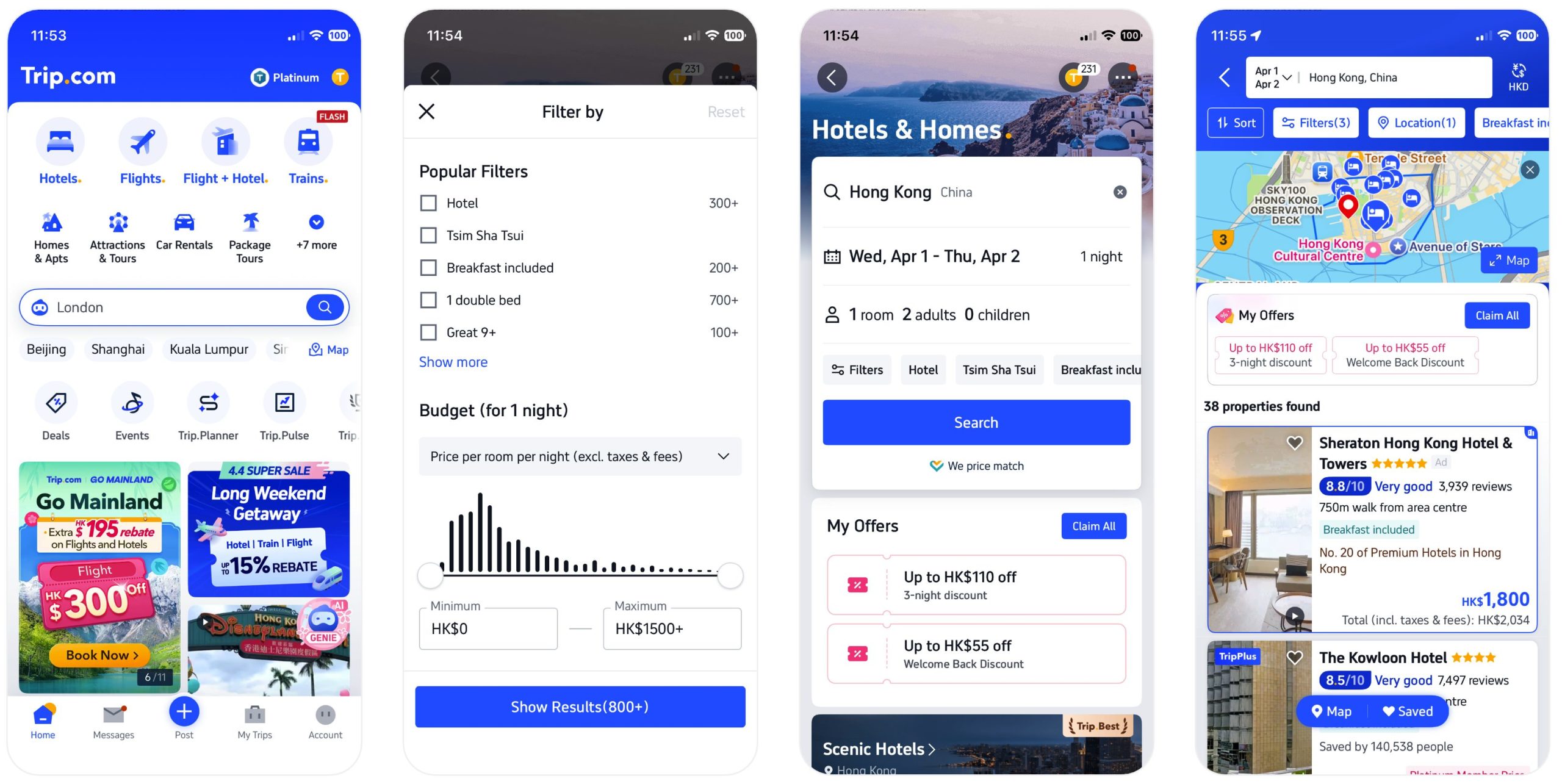
Trip.com: Trip.com’s intuitive platform simplifies travel planning with comprehensive search filters, detailed property and flight information, and secure one‑tap booking. Their integrated user review system and loyalty program encourage repeat bookings, effectively guiding travelers from the “Attempt” stage through to “Adopt” and into “Advocate.”
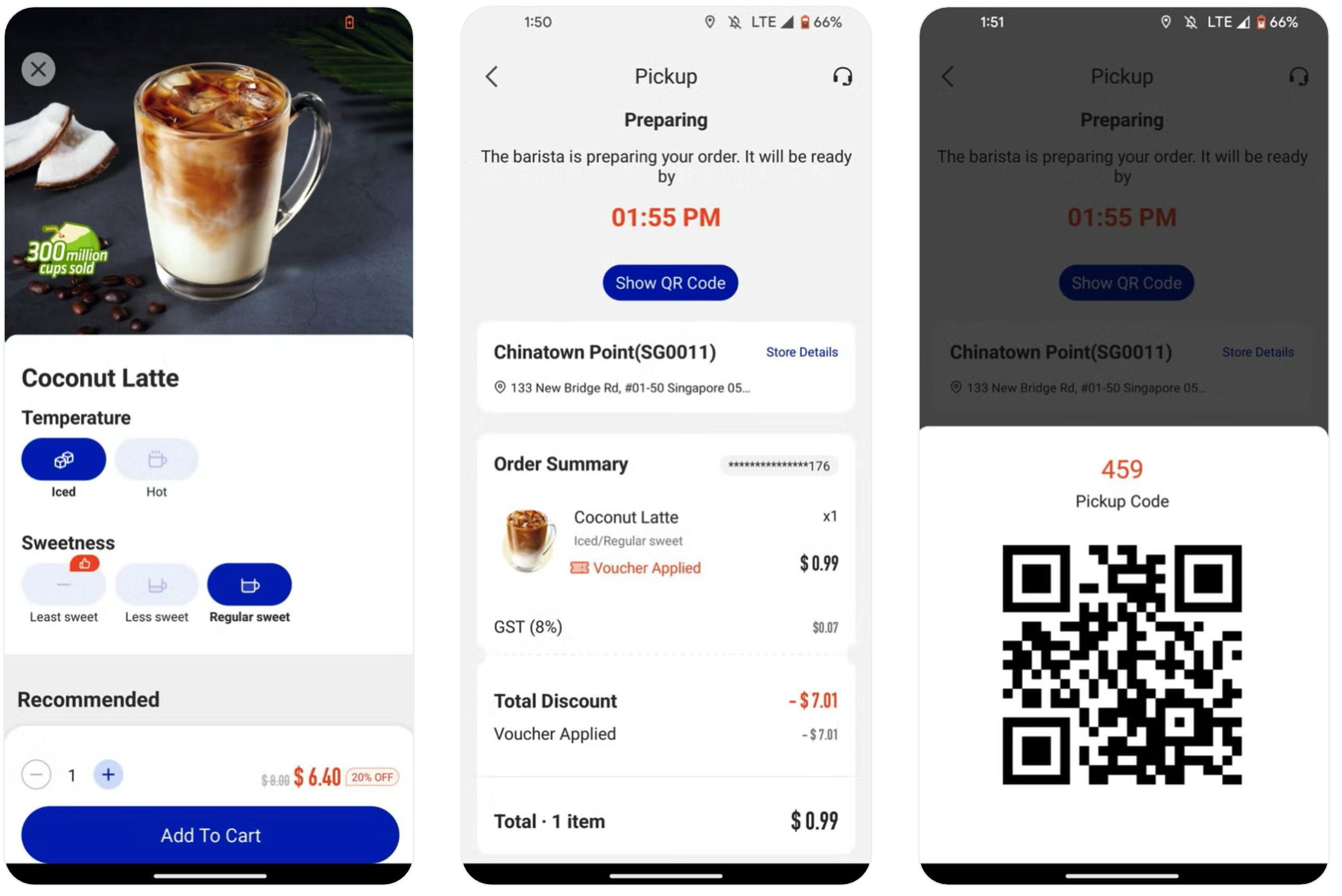
Luckin Coffee: Luckin Coffee’s app‑first model allows customers to pre‑order, customize drinks, and pay with ease, minimizing wait times. Gamified promotions, frequent coupons, and a seamless pickup experience drive high retention, transforming casual buyers into loyal “Adopt” users who readily become “Advocates” through social sharing and referral incentives.
The Generative AI Revolution in CRM Marketing
We are currently witnessing a paradigm shift in how customer journeys are managed, driven by Generative AI. In today’s CRM marketing landscape, AI is no longer just about automation—it is about augmentation and creation.
Generative AI is transforming the customer journey in three critical ways:
- Hyper-Personalization at Scale: Traditional segmentation groups customers into buckets. Generative AI analyzes vast datasets to create micro-segments and generate unique content for each. Whether it is crafting individualized email subject lines or dynamically generating website copy that resonates with a specific “Attempt” stage user, AI makes one-to-one marketing feasible.
- Intelligent Journey Orchestration: AI models can predict the next best action for a customer. For instance, instead of a static workflow, an AI-powered campaign designer can decide in real-time whether to send a discount code (to prevent “Abandon”) or a tutorial video (to accelerate “Adopt”), based on the user’s historical behavior.
- Content Velocity: The biggest bottleneck in marketing has always been content creation. Generative AI tools can now produce ad copy, visuals, and even video scripts at unprecedented speeds, allowing brands to test more variations across the lifecycle stages faster than ever before.
“Generative AI isn’t just a tool for efficiency; it’s a tool for empathy. It allows brands to understand and respond to customer intent in real-time, effectively guiding them from Awareness to Advocacy without the consumer feeling ‘marketed to’.” — Industry Insight, Gartner CRM Trends
Leveraging Campaign Designer Features for Optimal Journeys
Modern campaign designer tools play a crucial role in orchestrating and optimizing customer journeys. To keep pace with the 5As lifecycle and AI capabilities, your toolkit should include:
- Automated Workflows: Streamline the customer journey by automating repetitive tasks and orchestrating multi-channel campaigns. Look for AI-powered triggers that respond to specific lifecycle stages (e.g., “Abandon” triggers a personalized win-back flow).
- Personalization Options: Customize messaging, offers, and content based on customer data and preferences to create personalized experiences. Advanced tools now use generative AI to craft these variations autonomously.
- A/B Testing: Test different variations of campaigns to identify the most effective strategies and optimize conversion rates. With AI, you can move from simple A/B testing to multivariate testing that self-optimizes in real-time.
- Analytics and Reporting: Track key metrics and analyze campaign performance to gain insights and inform future iterations of the customer journey. Modern dashboards now offer predictive analytics, helping you identify which customers are at risk of “Abandon” before they actually leave.
Conclusion
In conclusion, designing an effective customer journey requires a deep understanding of customer needs, clear objectives, and strategic execution. By adopting lifecycle frameworks like the XGATE 5As—Aware, Attempt, Adopt, Advocate, and Abandon—businesses can shift their focus from mere transactions to lasting relationships.
Furthermore, as we integrate the capabilities of generative AI into campaign designer tools, the ability to deliver hyper-relevant, timely, and empathetic experiences is finally within reach. The brands that will succeed are those that combine the art of journey mapping with the science of AI-powered execution, creating seamless, personalized experiences that drive engagement, loyalty, and ultimately, business success.